we the people the citizen and the constitution pdf

Overview of the “We the People” Program
The “We the People…The Citizen and the Constitution” guide offers 40 lessons across six units‚ blending expository and inquiry methods. It emphasizes active student participation‚ analytic and evaluative skill development‚ and a conceptually oriented approach to U.S.constitutional history

Historical Context of the U.S. Constitution
The guide situates the U.S. Constitution within the late 18th‑century American struggle for independence‚ federalism‚ and governance. It traces the shift from colonial charters to the Articles of Confederation‚ highlighting need for a strong central authority and enduring democratic ideals.
Founding Documents and Key Philosophers
The “We the People” guide anchors its lessons in the seminal texts that forged American governance. It begins with the Declaration of Independence (1776)‚ emphasizing the right to self‑determination and the moral foundation of liberty. The Articles of Confederation (1781) are examined next‚ illustrating the early experiment in loose federalism and its shortcomings that prompted constitutional revision.
Central to the curriculum are the Federalist Papers (1787–1788)‚ a series of essays by Alexander Hamilton‚ James Madison‚ and John Jay that articulate the necessity of a balanced federal system and the separation of powers. The guide also references the Anti‑Federalist Papers‚ which provide critical counterpoints and enrich debate on representation.
Philosophical underpinnings are drawn from classical thinkers. John Locke supplies the doctrine of natural rights and government by consent. Montesquieu offers the principle of separation of powers. Thomas Jefferson contributes the idea of limited government and the importance of individual liberty. James Madison is highlighted for his role in drafting the Constitution and the Bill of Rights‚ as well as for his essays on federalism.
Students analyze how these ideas shape modern civic debates‚ developing critical thinking and active citizenship and a engagement!
The Constitutional Convention and Its Compromises
The guide’s sixth unit immerses students in the 1787 Constitutional Convention‚ spotlighting the intense debates that forged the nation’s supreme charter. Delegates from the original thirteen states converged in Philadelphia‚ each bringing distinct regional interests and constitutional philosophies. The curriculum dissects the pivotal compromises that resolved seemingly intractable conflicts‚ ensuring the Convention’s success.
First‚ the Great Compromise (also called the Connecticut Plan) merged the Virginia Plan’s large‑state preference for a single‑house legislature. Second‚ the Three‑Fourth’s Compromise addressed slavery’s impact on representation and taxation‚ counting enslaved persons as three‑quarters of a free individual for apportionment purposes. Third‚ the Commerce and Tariff Compromise granted Congress the power to regulate interstate trade while limiting its ability to impose tariffs on foreign goods‚ balancing federal authority with states’ economic interests. Students analyze how these accords illustrate the delicate balance between federal power and state sovereignty‚ and how the Convention’s outcomes shaped the Constitution’s enduring structure. The guide encourages inquiry by prompting learners to evaluate whether the compromises adequately protected individual rights and whether they set precedents for future federal‑state negotiations. The guide emphasizes that these compromises were not merely political bargains but foundational principles that continue to influence contemporary debates over federalism‚ civil rights‚ and the balance of power today.Always

Structure of the Curriculum and Lesson Units
The “We the People…The Citizen and the Constitution” curriculum is organized into 40 lessons divided into six study units. Unit 1 explores philosophical and historical foundations‚ introducing Enlightenment thinkers and early American political writings. Unit 2 details the creation of the Constitution‚ covering debates‚ compromises‚ and drafting. Unit 3 examines how constitutional values shape institutions and practices‚ encouraging analysis of law‚ government‚ and society. Unit 4 traces the development and expansion of the Bill of Rights‚ including amendments and judicial interpretations. Unit 5 analyzes the meaning of each right‚ using case studies and primary sources to illustrate real‑world applications. Unit 6 focuses on citizens’ roles in democracy‚ emphasizing civic engagement‚ voting rights‚ and responsibilities that sustain democratic governance. The curriculum blends expository instruction with inquiry‑based activities‚ promoting active participation‚ critical thinking‚ and evaluative skills to connect historical context with contemporary constitutional issues.

Philosophical Foundations Covered in the Text
The curriculum foregrounds key Enlightenment ideas that shaped the American founding. The curriculum foregrounds key Enlightenment ideas that shaped the American founding. The curriculum foregrounds key Enlightenment ideas that shaped the American founding. The curriculum foregrounds key Enlightenment ideas that shaped the American founding. The curriculum foregrounds key Enlightenment ideas that shaped the American founding. The curriculum foregrounds key Enlightenment ideas that shaped the American founding. The curriculum foregrounds key Enlightenment ideas that shaped the American founding. The curriculum foregrounds key Enlightenment ideas that shaped the American founding. The curriculum foregrounds key Enlightenment ideas that shaped the American founding. The curriculum foregrounds key Enlightenment ideas that shaped the American founding. The curriculum foregrounds key Enlightenment ideas that shaped the American founding. The curriculum foregrounds key Enlightenment ideas that shaped the American founding. The curriculum foregrounds key Enlightenment ideas that shaped the American founding. The curriculum foregrounds key Enlightenment ideas that shaped the American founding. The curriculum foregrounds key Enlightenment ideas that shaped the American founding. The curriculum foregrounds key Enlightenment ideas that shaped the American founding. The curriculum foregrounds key Enlightenment ideas that shaped the American founding. This unit emphasizes thinking.!!!
The “We the People…The Citizen and the Constitution” guide dedicates a comprehensive unit to the birth of the U.S. Constitution‚ tracing the journey from the 1787 Philadelphia Convention to the 1788 ratification process that secured the document’s legitimacy. Students examine the motivations that prompted the framers to replace the Articles of Confederation‚ including the need for a stronger central government capable of regulating commerce‚ maintaining public order‚ and safeguarding individual liberties. The curriculum highlights the debates over representation‚ the balance of power between branches‚ and the contentious issue of slavery‚ illustrating how compromise—such as the Great Compromise and the Three‑Fourth Compromise—shaped the final framework. Through primary source analysis‚ learners explore the Federalist and Anti‑Federalist papers‚ revealing the ideological divide that framed the ratification debates. The guide then follows the state‑by‑state ratification process‚ noting the pivotal role of the “Federalist” states that ultimately secured the necessary nine ratifying conventions. Students assess the impact of the “Great Compromise” on the Senate’s equal representation and the House’s population‑based representation‚ as well as the significance of the Constitution’s preamble‚ which sets the tone for the nation’s purpose. The unit concludes by connecting the historical context to modern constitutional interpretation‚ encouraging learners to consider how foundational principles continue to influence contemporary governance and civic engagement.
By engaging with debates‚ students learn to evaluate how the Constitution’s design balances liberty with order‚ and how the framers’ compromises continue to shape modern legal debates and civic responsibilities. daily. now
The Bill of Rights and Its Evolution
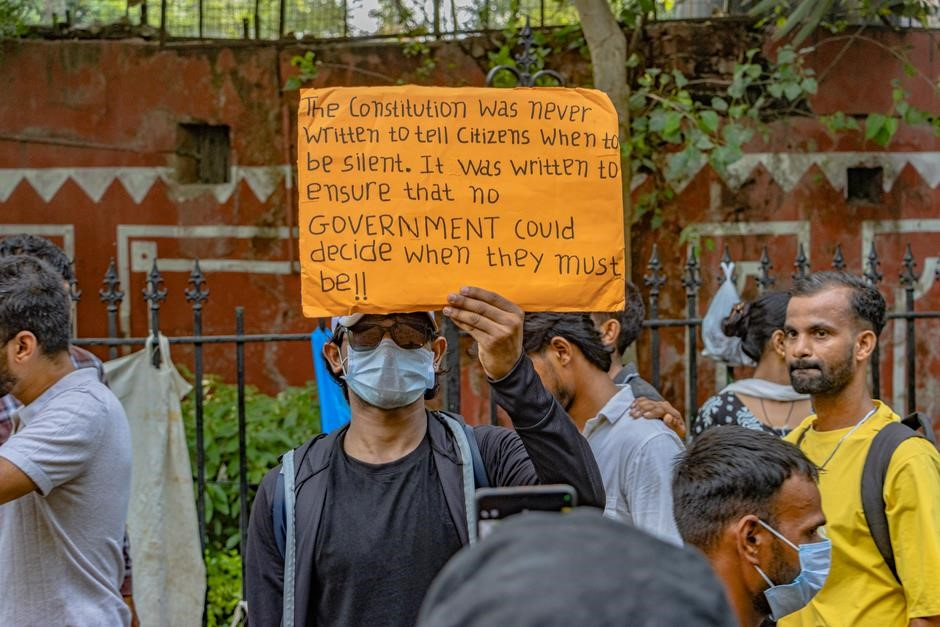
The guide examines the Bill of Rights‚ its origins‚ amendments‚ and modern interpretations‚ using primary sources and landmark cases to foster critical analysis of individual liberties‚ civic duties‚ and the evolving balance between freedom and responsibility and civic engagement.us all!!
Expansions of Rights Through Amendments
The curriculum’s “Expansions of Rights Through Amendments” unit traces the evolution of individual liberties from the original ten amendments to the post‑Civil War additions and beyond. Students examine how the First Amendment’s guarantee of free speech‚ religion‚ and assembly has been interpreted in landmark cases such as New York Times v. United States and Oregon v. Mitchell. The Second Amendment’s right to bear arms is contextualized through debates over the Second Amendment’s scope and the impact of the Supreme Court’s decisions in District of Columbia v. Heller and McDonald v. Chicago. The Third Amendment’s protection against quartering soldiers is paired with a discussion of its historical relevance in the early republic and its symbolic importance in contemporary constitutional discourse.
The unit then explores the Fourth Amendment’s safeguards against unreasonable searches and seizures‚ highlighting the evolution of privacy rights in the digital age through cases like Riley v. California and Carpenter v. United States. The Fifth Amendment’s due process and self‑incrimination clauses are examined through the lens of the Miranda ruling and the expansion of procedural protections. The Sixth Amendment’s right to counsel and a speedy trial is linked to the broader theme of equitable access to justice‚ with reference to Gideon v. Wainwright.
Moving beyond the original Bill of Rights‚ the curriculum addresses the Thirteenth Amendment’s abolition of slavery‚ the Fourteenth Amendment’s incorporation doctrine and equal protection clause‚ and the Fifteenth Amendment’s prohibition of voting discrimination. Students analyze how these post‑Civil War amendments extended civil rights to formerly enslaved people and reshaped the nation’s legal landscape. The unit concludes by inviting learners to reflect on the dynamic nature of constitutional rights and the ongoing process of amendment as a mechanism for societal change‚ encouraging critical thinking about how future amendments might address emerging challenges in technology‚ privacy‚ and social justice. Finally‚ the unit emphasizes that amendments are both a reflection of and catalyst for societal progress.
The guide’s “Modern Interpretations” unit examines contemporary judicial reasoning that shapes the Bill of Rights today. Students review landmark Supreme Court decisions that redefine free‑speech limits‚ such as Citizens United v. FEC and Brandenburg v. Ohio‚ and analyze how the First Amendment balances commercial expression with political speech. The unit explores the evolving scope of the Second Amendment through cases like District of Columbia v. Heller and McDonald v. Chicago‚ prompting discussion on the right to bear arms in the context of modern gun‑control debates. The Fourth Amendment’s privacy protections are examined in light of digital surveillance‚ with reference to Riley v. California and Carpenter v. United States‚ illustrating how technology challenges traditional search‑and‑seizure doctrines. The Fifth Amendment’s due‑process guarantees are assessed through the lens of the Miranda ruling and the expansion of procedural safeguards in criminal proceedings. The Sixth Amendment’s right to counsel is contextualized by Gideon v. Wainwright and subsequent rulings that broaden access to legal representation. Throughout‚ the curriculum encourages critical analysis of how constitutional principles adapt to contemporary societal issues‚ fostering an understanding of the dynamic nature of the Bill of Rights and its role in guiding modern governance.
Students also examine how the Bill of Rights intersects with modern technology‚ focusing on digital privacy and online speech. The unit challenges learners to assess the balance between individual freedoms and collective safety‚ encouraging critical reflection on how constitutional principles shape contemporary law and policy today now
Landmark Supreme Court Cases
The guide highlights pivotal decisions that have shaped constitutional understanding. Key cases include Marbury v. Madison (1803)‚ establishing judicial review; Gibbons v. Ogden (1824)‚ defining interstate commerce power; McCulloch v; Maryland (1819)‚ affirming federal supremacy; Brown v. Board of Education (1954)‚ ending racial segregation; Roe v. Wade (1973)‚ recognizing privacy rights in reproductive choice; United States v. Nixon (1974)‚ limiting executive privilege; and Obergefell v. Hodges (2015)‚ guaranteeing marriage equality. Each case is examined for its legal reasoning‚ societal impact‚ and enduring relevance to contemporary civic education.
Additional landmark decisions such as Citizens United v. FEC (2010) expanded campaign‑finance interpretations; Brandenburg v. Ohio (1969) refined the protected speech standard; Carpenter v. United States (2018) addressed digital privacy; and Gideon v. Wainwright (1963) guaranteed counsel for indigent defendants. These rulings collectively illustrate the dynamic nature of constitutional interpretation and its impact on modern civic life. By integrating these cases into classroom discussions‚ students gain a nuanced perspective on how judicial decisions shape everyday rights and responsibilities. The guide encourages students to critically evaluate the balance between individual liberties and collective interests in society.today!

Role of Citizens in U.S. Democracy
Citizens are the backbone of American governance‚ exercising rights and duties that sustain the republic. The guide emphasizes voting as the primary civic act‚ detailing eligibility‚ registration‚ and the impact of turnout on policy outcomes. It also explores civic engagement beyond ballots‚ such as participating in public hearings‚ joining community boards‚ and advocating for local ordinances. The curriculum stresses the importance of informed decision‑making‚ encouraging students to analyze primary sources‚ evaluate media messages‚ and engage in respectful debate. By studying the Constitution’s provisions on free speech‚ assembly‚ and petition‚ learners understand how these liberties empower citizens to hold officials accountable. The text highlights the role of citizen‑initiated measures‚ including referenda and initiatives‚ illustrating how direct democracy mechanisms can alter laws at state and local levels. Additionally‚ the guide discusses the responsibility of civic responsibility in protecting minority rights‚ ensuring that the majority’s will does not override constitutional safeguards. Through case studies of historical movements—such as the civil rights protests‚ women’s suffrage campaigns‚ and contemporary advocacy for voting rights—students see how collective action has reshaped the nation. The program concludes by urging students to view citizenship as an ongoing commitment to public service‚ continuous learning‚ and active participation in democratic institutions. 202

Teaching Methodologies Employed in the Guide
The guide adopts a conceptually oriented framework that blends expository instruction with inquiry‑driven activities. Teachers present foundational constitutional concepts through concise‚ evidence‑based narratives‚ then lead students into collaborative investigations that apply those concepts to contemporary issues. Active participation is emphasized via structured debates‚ role‑plays of historical deliberations‚ and problem‑based scenarios requiring analysis of primary documents and synthesis of diverse viewpoints. Embedded assessment includes reflective journals‚ peer‑reviewed position papers‚ and performance tasks demonstrating critical thinking and argumentation. Scaffolded questioning promotes higher‑order cognition‚ prompting evaluation of constitutional implications for modern governance; Technology‑enhanced simulations and multimedia resources support differentiated learning‚ allowing exploration of constitutional principles at varying depths. This blended approach cultivates informed‚ engaged citizens capable of navigating democratic participation while respecting the rule of law and protecting individual liberties. Students also engage in peer‑review workshops where they critique each other’s constitutional arguments‚ fostering a culture of constructive feedback. The guide recommends using digital polling tools to gauge class consensus on contentious issues‚ providing immediate data for reflective discussion. Differentiation is addressed through tiered reading materials‚ allowing advanced learners to explore primary source documents while beginners focus on guided summaries. The curriculum also incorporates service‑learning projects‚ such as community surveys on local policy issues‚ allowing learners to apply constitutional analysis to real‑world contexts and fostering a sense of agency. Through these integrated experiences‚ students develop a nuanced appreciation for the Constitution’s enduring relevance and the responsibilities that accompany citizenship in a democratic society. This holistic framework prepares them for active civic engagement‚ enhancing civic literacy now.!

Assessment and Competency Standards
The guide aligns assessment with civic education standards‚ requiring students to demonstrate mastery of constitutional concepts. Formative checkpoints include short quizzes‚ reflective essays‚ and group presentations that analyze landmark cases. Summative evaluations consist of a capstone project where learners construct a comprehensive argument defending a constitutional amendment‚ supported by primary sources and scholarly commentary. Rubrics emphasize critical reasoning‚ evidence integration‚ and clarity of expression‚ ensuring alignment with Common Core standards for analytical skills. Competency standards mandate proficiency in interpreting constitutional text‚ applying principles to novel scenarios‚ and articulating positions in written and oral formats‚ and critical analysis skills daily. Teachers record progress via digital portfolios‚ enabling longitudinal tracking of skill development. Peer assessment fosters collaborative critique‚ while assessment prompts metacognitive reflection on learning strategies. The guide recommends periodic mock trials‚ where students assume roles of justices‚ litigants‚ and witnesses‚ practice procedural knowledge and ethical judgment. These activities prepare students meet rigorous assessment criteria while cultivating lifelong civic engagement skills. Assessment data are compiled into a dashboard that teachers use personalize instruction‚ identify misconceptions‚ and adjust pacing. Students engage in research projects that require sourcing from the Federalist Papers and Supreme Court opinions. These projects culminate in a public symposium where learners present findings to the school community‚ receiving feedback from educators. The guide outlines optional extension modules for learners‚ including simulations of amendment drafting. All assessment tools are designed be accessible‚ with accommodations for diverse learners‚ and are available in print and digital formats to support varied classroom contexts.

Availability and Distribution of the PDF Resources
The 40‑lesson “We the People…The Citizen and the Constitution” text and accompanying teacher’s guide are freely downloadable as PDF from the U.S. Department of Education’s ERIC database (https://eric.ed.gov/?id=ED462317). The files are provided in standard PDF format‚ fully searchable‚ and compatible with screen readers‚ making them accessible to students with disabilities. Distribution is governed by the public‑domain status of the material; no copyright restrictions apply‚ allowing schools‚ libraries‚ and educators worldwide to copy‚ modify‚ and redistribute the content without licensing fees. In addition to the ERIC download‚ the National Center for Civic Education hosts a supplemental repository where educators can request additional print copies or receive the PDF via email. The guide is also included in the “Civic Education Resource Center” portal‚ which offers bulk download options for districts seeking to implement the curriculum across multiple schools. For institutions that prefer a physical format‚ the publisher offers a low‑cost print‑on‑demand service that ships to any U.S. address. The PDF files are regularly updated to reflect changes in the curriculum‚ such as new case studies or revised lesson plans‚ and updates are automatically pushed to ERIC and the NCVE portal. Educators can sign up for an RSS feed or email alert to receive notifications when a new version is released. Because the material is open‑access‚ it can be embedded into learning management systems (LMS) like Canvas or Moodle via a direct link or uploaded as a resource file. The distribution strategy emphasizes ease of access‚ and flexibility‚ ensuring that teachers and students across settings can integrate the curriculum into their lesson plans without logistical barriers.

Digital Platforms and Interactive Tools
The “We the People” curriculum is supported by a suite of digital resources that enhance engagement and assessment. A dedicated web portal hosts interactive modules‚ including scenario‑based simulations of the Constitutional Convention‚ animated timelines‚ and drag‑and‑drop exercises that allow students to test their understanding of key principles. Integrated quizzes provide instant feedback‚ while a teacher dashboard aggregates class performance data‚ enabling targeted intervention. The platform is fully responsive‚ ensuring compatibility with desktops‚ tablets‚ and smartphones‚ and includes accessibility features such as screen‑reader support and adjustable text size. Students can participate in live virtual debates that mirror the structure of the original debates‚ fostering critical thinking and public speaking skills. The portal also offers a mobile app that delivers daily “micro‑learning” challenges‚ reinforcing concepts outside the classroom. All digital content is aligned with the curriculum’s learning objectives and is available in multiple languages to support diverse classrooms. Teachers can embed modules directly into LMS environments like Canvas or Moodle via LTI integration‚ while students can download PDFs for offline study. Continuous updates are pushed automatically‚ ensuring that the latest case studies and lesson plans remain current. The platform’s analytics engine tracks engagement metrics‚ allowing administrators to assess program reach and effectiveness at scale. Students can collaborate in peer‑review groups‚ annotating PDFs and receiving feedback‚very deepening civic literacy.